
Every sales pipeline has them. The leads that started warm, replied to a couple of emails, maybe even took a call, and then went quiet. The good news is that a cold lead is rarely a lost one. They are not dead, they are distracted, and they already raised their hand once. That makes them far more valuable than a brand new name at the top of the funnel.
In this article, we will look at why cold leads go silent, why your follow-ups keep getting ignored, and how a small, well-chosen branded gift can restart the conversation when nothing else will.
A cold lead is simply a prospect who showed real interest at some point and has since gone dark. Life got busy, priorities shifted, a budget froze, or your email just got buried. None of that means they are gone. It means the timing slipped, and the thing standing between you and a reopened conversation is not a better pitch. It is a better reason to reply.
Key Takeaways
When a lead goes cold, most reps reach for another “just checking in” email or a fourth voicemail. The trouble is that every other vendor chasing that same buyer is doing the exact same thing. Your message lands in a crowded inbox right next to a dozen identical ones, and the easiest response is no response at all. If you have ever wondered how to follow up in sales once the usual channels stop working, the honest answer is to stop sounding like everyone else.
Key Takeaways

This is where a small branded gift does something a fifth follow-up email never will. It interrupts the pattern. A physical object shows up, it is unexpected, and it carries a bit of effort that a templated message simply cannot fake. Done well, it is not a bribe and it is not a gimmick. It is a thoughtful touch that says you remembered them, which is really the whole point of lead nurturing.
Key Takeaways
The mistake most teams make is going too big. A cold lead who barely knows you does not want an expensive watch or a pricey bottle of something. That creates awkwardness, and in plenty of industries it creates compliance headaches too. The gifts that actually restart conversations are small, useful, and genuinely nice to own.
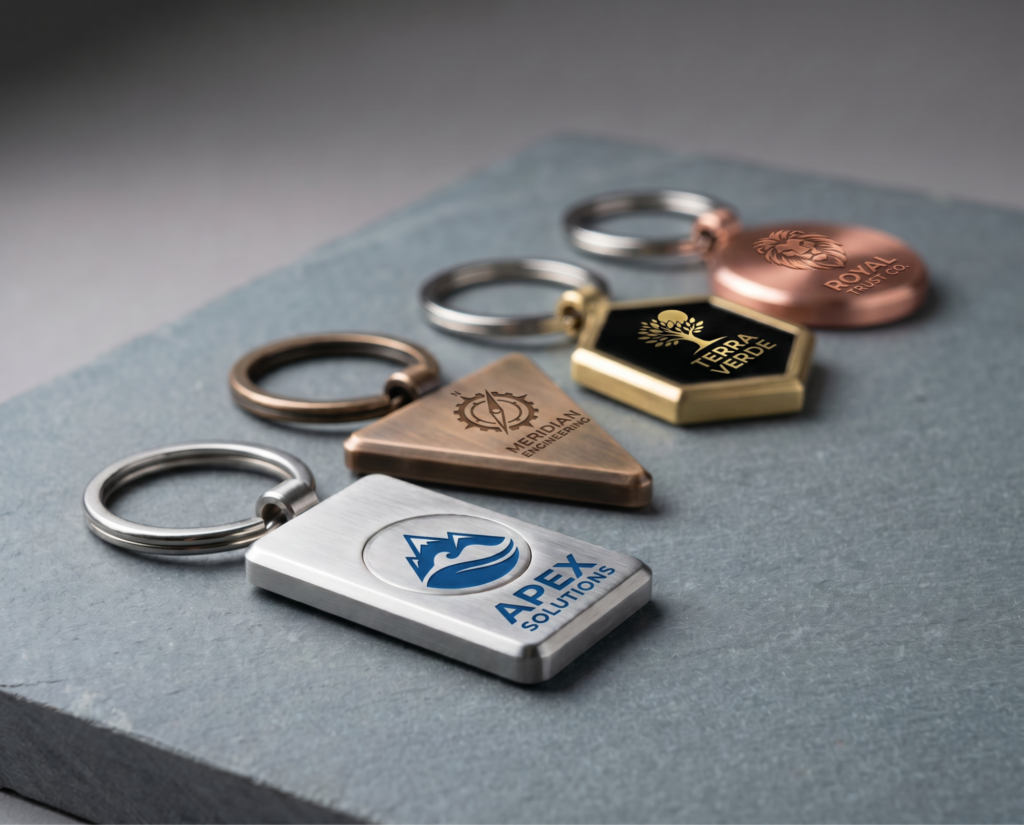
Think about what a busy buyer actually keeps. Not the branded stress ball that disappears into a drawer, but the thing they reach for every single day. This is where custom keychains earn their place. Plus, you can choose from wood, plastic, or go crazy with custom metal keychains.
They are small enough to feel like a friendly gesture rather than a sales move, useful enough to stay in a pocket, and durable enough to stick around long after the conversation reopens. Companies have been making small custom pieces like this for decades, and the difference between a flimsy giveaway and a solid, well finished one is obvious the moment someone picks it up.
Key Takeaways
The gift is only half of it. How you send it matters just as much.
Reference something real from your earlier conversation. If they mentioned a new office, a product launch, or a team offsite, tie your note to that. A generic “thinking of you” card undoes all the effort.
Do not staple a meeting request to the package. Let the gift do its job, then follow up a few days later with a light, human message. Something like “hope the little something made it to your desk, no agenda here, I just wanted to reconnect” lands far better than a hard ask.
A gift works best when it arrives around a natural moment. The start of a new quarter, a holiday, the anniversary of your first conversation, or right after some news about their company. It gives you a reason to reach out that is genuinely about them and not about your quota.
None of this is about buying attention. It is about earning a reply by being the one vendor who treated the relationship like it actually mattered. A branded gift lowers the wall a cold lead has quietly built up, and once that wall is down, your product and your team can do what they do best.
So before you write off a stalled lead as a lost cause, remember that quiet is not the same as gone. A short, sincere note and one small, useful object can do what a dozen follow-up emails could not. In a market where everyone is fighting for the same sliver of attention, being remembered for the right reasons is one of the cheapest advantages you can give your team.