
In financial services, the thing people actually buy is rarely the loan, the card, or the account. What they buy is confidence, the quiet belief that their money and details are in safe hands. Most firms, though, tuck identity protection into the back office and let engineers handle it out of sight, while marketing keeps pushing rates and rewards. That split costs more than people realize. When customers lie awake worrying about breaches instead of interest rates, the firm willing to talk plainly about how it protects them wins something rivals struggle to copy.
Talking about it does not mean scaring anyone or burying them in jargon. It means taking hard, technical security work and turning it into a message a normal person cares about. The brands that do this well put safety front and center, and firms that build their story around financial services identity system protection tend to find that trust, once it lands, keeps customers around and pulls new ones in. That is not a compliance footnote. That is a growth lever.
Here is the catch: a security feature only builds trust if people know it exists. Marketing teams can bring protection into the open without making anyone nervous. A few ways to do it:
A clumsy security notice scares people off faster than an actual incident does. You want to inform and reassure in the same breath. Most customers now meet their bank through an app or website long before they set foot in a branch, and those digital channels are where an update either steadies nerves or rattles them. A few habits help:
Rhythm matters as much as wording. When your updates arrive calm and clear on a steady schedule, people start opening them instead of trashing them, and that habit pays off the day a real alert has to cut through.
Rules hide in the small print, yet they make good marketing once you flip the framing. Money-laundering checks, customer verification, and federal data safeguards: every one of them exists to protect the account holder. So say so out loud. Nobody reads the regulations, but people respond to a firm that meets standards built to keep criminals out. One honest line, something like “we check every new account so fraudsters cannot slip in,” turns a chore into a promise. And when customers want to understand their own footing, pointing them to a solid public resource on identity theft shows you have nothing to hide.
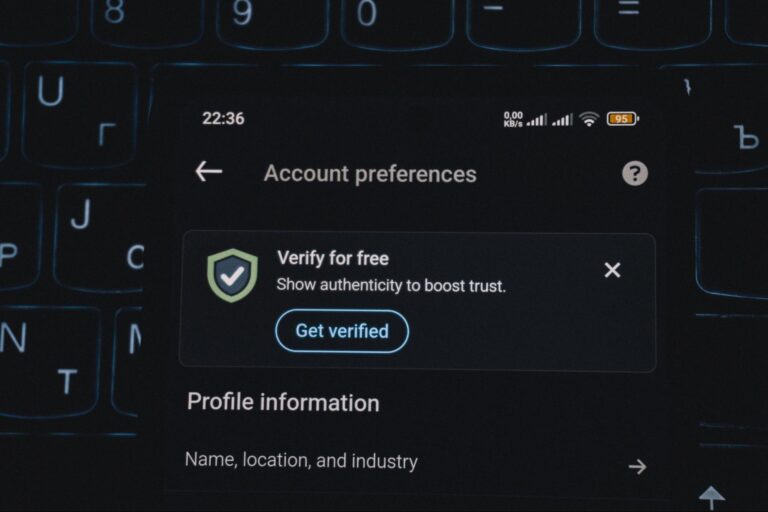
Customers know what good security feels like, because they use it in other apps every day. Point to the familiar stuff:
Firms that stay silent about their security leave money on the table. The ones that speak up get three things back at once: customers who stay because they feel safe, prospects who sign up faster because trust kills hesitation, and a brand that is harder to attack because vigilance is part of its name. Identity protection is not just something to run quietly in the background anymore. Said with confidence, in words people understand, it is one of the most convincing stories a financial firm can tell.