It’s not often that digital posts, ads, and emails win. Repeated exposure through many different channels normally works. People learn about a brand on social media, in a search ad, or when someone tells them to visit a website. People can follow the message and get a better sense of a brand when the connections feel strong.
Campaign digital assets must also be maintained for continuity. Teams may use hosting, advertising, or the latest Namecheap Renewal Promo Codes for recurring website and domain costs. Cost management helps, but constant access matters more. During a promotion, a campaign can lose momentum if a key link breaks, a landing page expires, or a domain changes.
Repetition Develops Familiarity
Most people ignore campaigns after seeing them. It may take several interactions before they remember your brand or respond. Consistent messages reinforce those memories. People can recognize the campaign on websites, emails, and social media because the language, images, and offers are all similar. Changing the main message could make it harder to remember and confuse potential buyers.
Make Every Channel Feel Connected
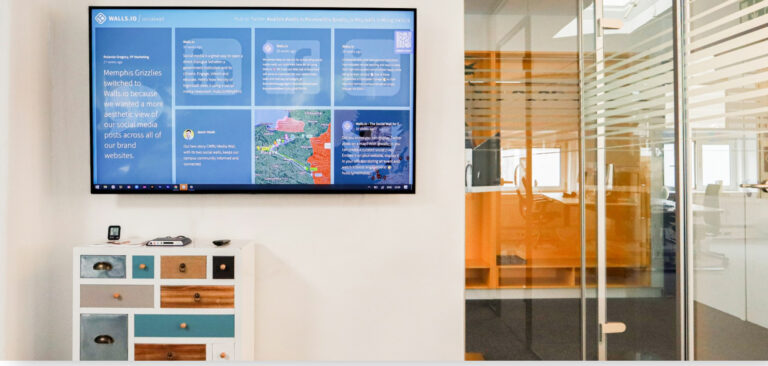
People often switch platforms before choosing. A person watches a short video, reads about a product on the website, and buys it after an email. Transitions should feel natural. Conflicting prices, outdated information, and visual identities cast doubt. Coordinated campaigns provide a more consistent user experience across channels and brand impressions.
Landing Pages Must Stay Up
Digital ads are only as effective as the websites they connect to. Getting visitors costs money. Your money is wasted if your site is slow, has broken links, expired deals, or missing pages. Campaign teams should test landing pages before and during the promotion. These include mobile performance, payment buttons, contact forms, and tracking codes. A campaign can create tremendous interest, but technical difficulties can prevent meaningful results.
Post-Launch Content Must Continue
We prioritize the debut date over the weeks afterward in campaign preparation. The material may reach audiences at different times. Follow-up articles, consumer inquiries, short films, and updated examples can extend the campaign. These improvements also give the brand more ways to communicate. Publish regularly to keep your campaign in the spotlight without having to re-announce every article.
Constant Monitoring Is Crucial for Evaluating Campaign Performance
Mid-campaign tweaks to the monitoring system can be difficult. Incomplete data may result from naming procedures, analytics tags, and unconnected advertising accounts. Teams can compare channels and identify where people are departing using consistent data. Monitoring whether a campaign is improving or just gaining attention is helpful. Marketers may modify budgets, messages, and audience targeting using reliable data.
Marketing may give something, but customer-facing people must understand it. Website managers want dates and links, while sales teams want updated content. Clear timetables and responsibilities reduce conflicting information. Coordination helps a campaign make modifications during its run.
Momentum Outlasts the Campaign
Going beyond clicks is essential to the effectiveness of a digital campaign. The approach has the potential to increase brand visibility, customer awareness, and content that will remain relevant even after the deal has expired. By maintaining communication, audiences can move from awareness to decision without experiencing any uncertainty. When messaging, technology, tracking, and internal support are all in sync, long-term marketing success is more likely.