
Biotech Branding: How to Build a Brand That Stands Out in Life Sciences

Biotech branding works under pressures most consumer branding never encounters. The people you’re trying to convince – scientists who scrutinize every claim, investors weighing years of risk, potential pharma partners, regulators, and sometimes clinicians and patients – are among the most sophisticated and skeptical audiences any brand has to win over. The tactics that make a snack or a sneaker memorable tend to backfire here, because in life sciences the fastest way to lose credibility is to sound like you’re selling something.
That’s the central tension. A biotech brand has to stand out in a field crowded with companies making similar promises, yet it has to do so without the hype that would undermine the trust it depends on. This guide looks at what makes biotech branding its own discipline, why so many life sciences brands end up looking identical, and how to build one that gets noticed for the right reasons.
How to Develop a Brand Strategy: A Step-by-Step Guide
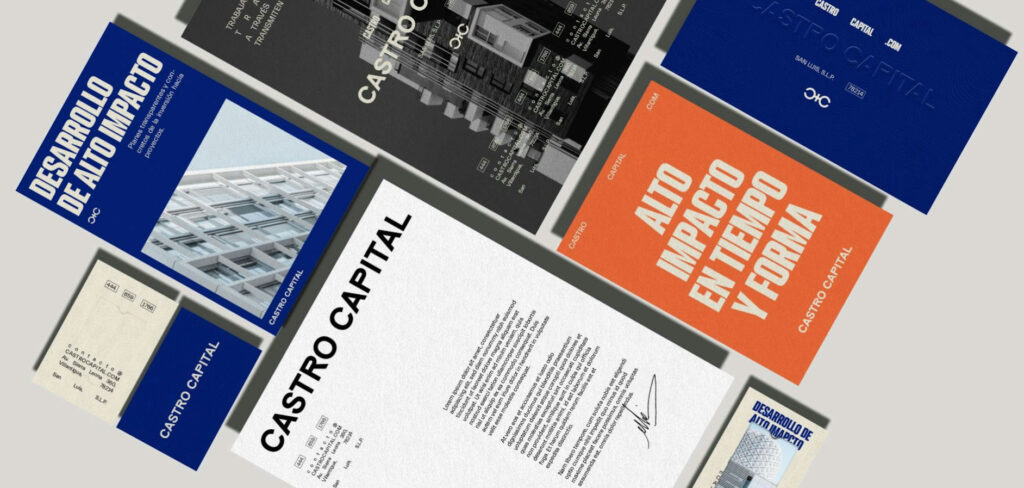
Plenty of businesses have a logo, a color palette, and a polished website long before they can answer a much simpler question: what does this brand stand for, who is it for, and why should anyone pick it over the alternative? That gap – between looking finished and being clear – is exactly what a brand strategy closes.
A brand strategy is the thinking that everything visible about a company should trace back to. Get it right and every downstream decision, from the logo to the ad copy to the careers page, has a clear brief to answer to. Skip it and you’re making those same decisions on instinct and hoping they add up to something coherent. This guide breaks down what a brand strategy actually is, what goes into one, and a practical six-step process for developing your own.
How to Build a Brand Identity: A Step-by-Step Guide

A brand identity is what makes a company instantly recognizable – the logo you spot before you read the name, the colors you associate with a product, the tone that sounds like one business and no other. Most companies know they need one, but far fewer build it in a structured way. The result is a scattered collection of assets that never quite add up to a coherent whole.
This guide explains what a brand identity actually is, the elements it’s built from, and a repeatable step-by-step process for creating one from the ground up. Whether you’re launching something new or rebuilding an identity that has drifted over the years, the sequence below is the one most established brands follow.
What is brand transformation?
Most businesses don’t outgrow their product. They outgrow their brand.
The positioning that won your first hundred customers starts to feel small. The identity you designed in a weekend three years ago no longer matches the company you’ve become. The story you tell in a pitch and the story on your website have quietly drifted apart. None of it is broken, exactly – it’s just no longer true to where the business is heading.
That gap is what brand transformation closes. Brand transformation is the process of rethinking a business’s positioning, story, identity and voice from the ground up, so the brand reflects what the company has become and where it’s going. It runs deeper than a refresh and reaches further than a new logo.
Done well, it changes how three groups see you at once: customers, investors, and your own team. That’s the tell that separates transformation from cosmetic work. If only the logo has changed, it was a refresh. If the way people understand and talk about the business has changed, that’s a transformation.
A brand transformation agency can help you with this process to help with repositioning, a rebrand, or a story that needs to catch up with how far the business has come which build brands that are designed to be remembered from day one and built to grow.
Why a Live Action Explainer Video Adds Authenticity to Your Brand

Trust influences how people weigh every claim a company makes. Clean visuals may catch attention, yet credibility usually grows from visible proof. Live action footage puts human behavior, work settings, and product use in plain view. That choice helps a message feel candid rather than staged. Viewers can read faces, hear tone, and watch context unfold naturally. As a result, confidence builds faster, memory improves, and hesitation often fades before a buying decision.
The Role of Online Presence Management in Scaling Digital Agencies

Every digital agency has some type of online presence. You have one even if you don’t have a website, active social media accounts, review platform listings, or freelance marketplace profiles. Today, everyone can find at least something about any business online.
So, it’s not a question of whether you need online presence management. It’s a question of whether you want to manage how your agency shows up in the digital world or have practically no influence over it.
This becomes even more important when you scale your business. Because when your agency grows, everything tends to grow around it. And it’s up to you whether you expand your brand authority or the confusion around your online presence.
Protecting Brand Reputation Through Legal Strategy

Building a brand takes years. Damaging one can take a single afternoon. A bad review gone viral, a competitor stealing your name, or a false claim spreading online: these things move fast. This piece is for business owners who want to understand how legal strategy fits into brand protection before something goes wrong, not after.
Why Should You Rebrand Your Business? 15 Clear Signs It’s Time
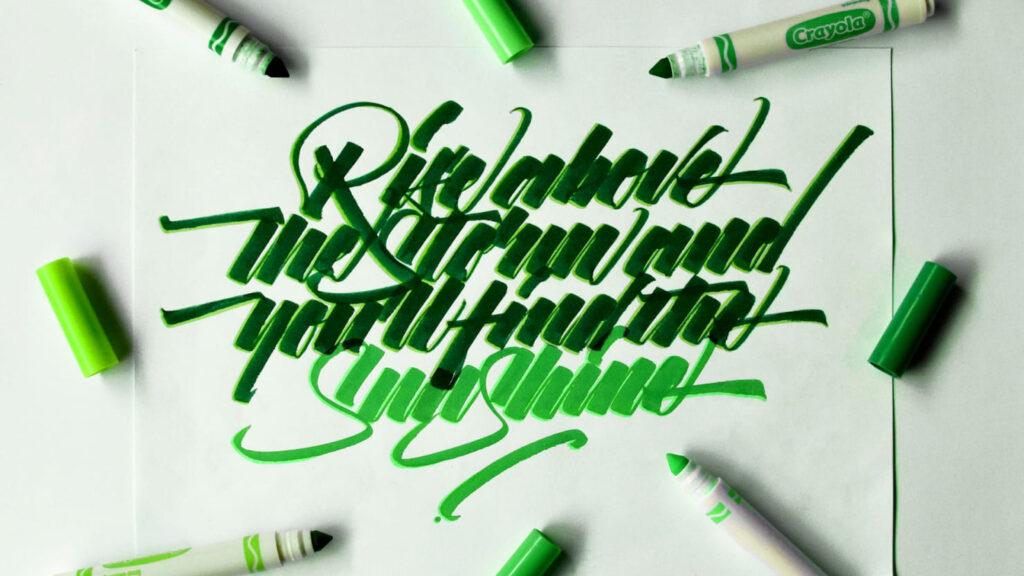
Rebranding is a strategic process that involves reshaping the way a company is perceived in the market. It’s not merely about changing a logo or a tagline; it’s about realigning your brand’s identity with its vision, mission, and the evolving expectations of your target audience. But how do you know when it’s time to embark on this transformative journey? Here are 15 compelling reasons to consider rebranding your business:
The Ultimate Guide to Increasing Brand Awareness in 2026: 15 Proven Strategies
Discover 15 data-driven strategies to increase brand awareness that deliver real results. Our comprehensive guide provides actionable steps, measurement frameworks, and case studies to help your brand stand out in 2026 and beyond.