Clear digital communication helps businesses inform customers, guide visitors, and share timely updates across different locations. Smart TVs have become a popular option for business displays, but choosing the right setup requires more than selecting a screen. Display performance depends on operating hours, installation, content management, and future business needs. Below are the key factors businesses should evaluate before using Smart TVs for commercial digital displays.
Evaluate Daily Operating Hours Before Choosing a Display
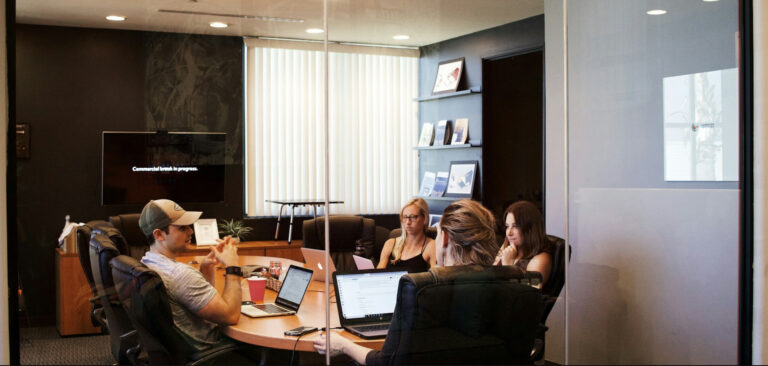
The amount of time a screen remains active each day should influence every purchasing decision. A conference room screen has different requirements than restaurant menu boards or retail displays that remain active throughout business hours. Reviewing usage expectations helps businesses choose equipment that matches daily communication needs rather than focusing only on price or screen size.
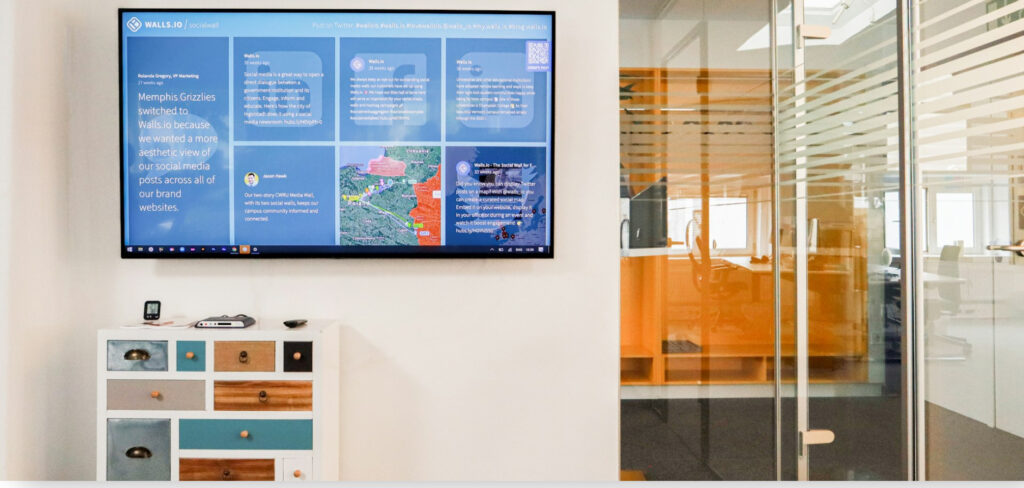
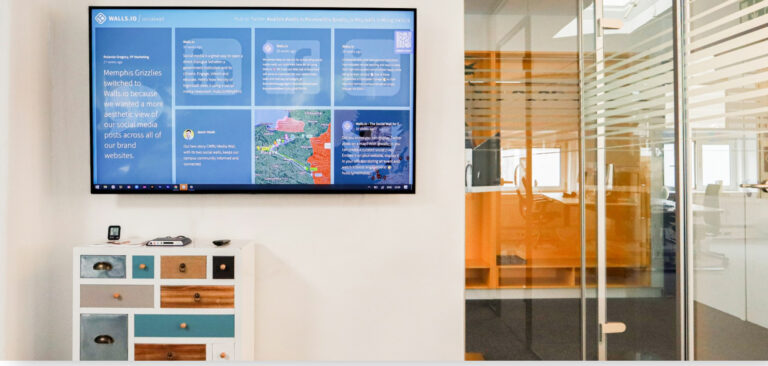
Content management deserves the same level of attention. Businesses using digital signage software for smart TV can schedule playlists, publish announcements remotely, and update multiple screens from one dashboard rather than making changes one display at a time. This approach saves staff time, keeps information consistent across locations, and makes future expansion much easier.
Match Screen Brightness to the Viewing Environment
A display should remain easy to read wherever customers or employees see it. Lighting conditions vary between reception areas, conference rooms, retail aisles, restaurants, and storefront windows. Evaluating the installation environment before purchasing helps businesses choose screens that deliver clear text, graphics, and promotional content throughout normal operating hours.
Businesses should also consider future display locations. A screen that works well inside an office may not provide the same visibility in brighter customer-facing spaces. Planning ahead helps businesses choose displays that remain effective as their communication needs expand.
Confirm the Display Supports the Planned Installation
Screen orientation can directly affect both presentation quality and long-term reliability. Some business applications benefit from landscape layouts, while digital directories, promotional banners, and informational displays may work better in portrait format. Businesses planning portrait installations should confirm that the display supports the intended mounting position before installation.
Viewing distance and customer traffic also influence readability. Displays placed too high or away from natural traffic flow may reduce visibility despite good screen quality. Careful placement helps every message reach its intended audience.
Select a Content Management System That Supports Growth
As display networks expand, manual updates quickly become difficult to manage. Visiting each screen to upload new promotions, announcements, or menus consumes valuable staff time and increases the chance of inconsistent messaging between locations. A centralized management system simplifies everyday communication and allows businesses to respond more quickly when content changes.
A reliable content management platform should offer:
- Remote publishing across one or multiple locations
- Scheduled playlists for different business hours or events
- Organized media libraries for faster content updates
- User access controls for administrative teams
- Consistent messaging across every connected display
Businesses that rely on digital signage software for smart TV can maintain accurate communication, reduce repetitive administrative work, and manage growing display networks with greater efficiency.
Choose Hardware Capacity That Can Scale
Content requirements rarely remain the same as a business grows. Promotional videos, seasonal campaigns, interactive content, and larger media libraries require adequate storage, available memory, and processing capability to support smooth playback. Reviewing hardware specifications before deployment helps businesses prepare for future communication needs rather than making unexpected equipment changes later.
Organizations should also plan beyond their current display count. Adding locations or richer media can increase storage and playback demands. Evaluating hardware capacity early creates a stronger foundation for future expansion.
Smart TVs can become an effective business communication solution when organizations evaluate their operational needs before deployment. Careful planning around operating schedules, screen visibility, installation requirements, content management, and hardware capacity supports dependable performance and a better viewing experience. Businesses that make informed decisions from the beginning can create display networks that remain organized, scalable, and ready to support changing communication goals for years to come.