
SEO
Short answer: No, AI Overviews do not kill SEO traffic—but they are changing how traffic is distributed. Websites that rely on basic informational content may lose clicks, while authoritative sites that provide expert insights, original data, and strong brand signals can actually gain visibility and qualified traffic.
In other words, AI Overviews are not the end of SEO—they are the next evolution of it. Just like Featured Snippets, Knowledge Panels, and People Also Ask boxes reshaped search behavior in the past, AI Overviews are simply shifting how Google delivers answers. Businesses that adapt their SEO strategy will still win organic traffic, while those using outdated tactics will see declining clicks.
This guide explains exactly what AI Overviews are, why some websites are losing traffic, and how modern SEO strategies can still generate consistent organic growth in the AI-driven search landscape.
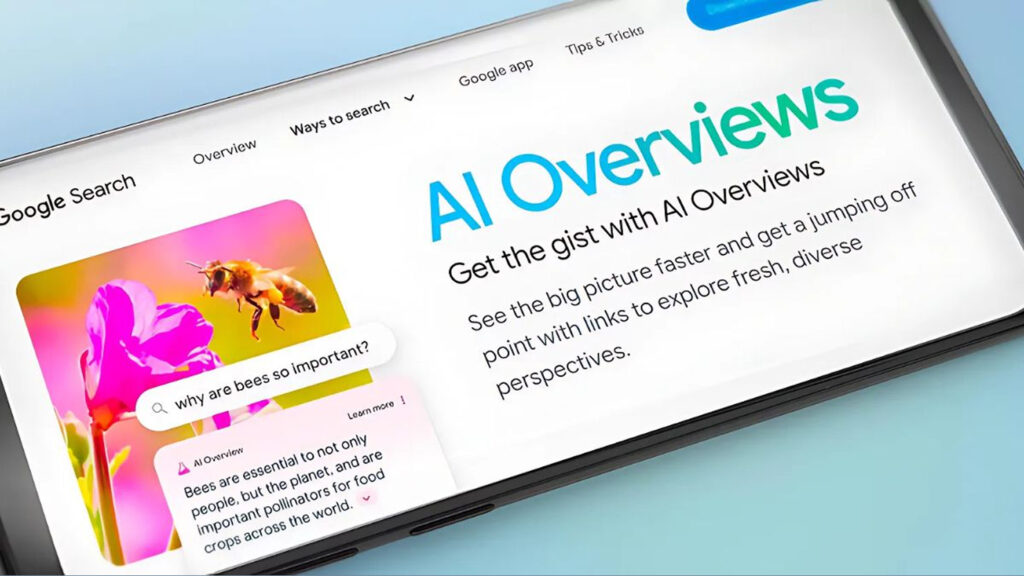
AI Overviews are AI-generated summaries that appear at the top of search results. Instead of showing only traditional blue links, Google’s AI compiles information from multiple sources and generates a direct answer to the user’s query.
These summaries are powered by Google’s generative AI systems and appear above organic search results, often with links to supporting sources.
For example, when someone searches:
“How does intermittent fasting work?”
“Best CRM for small businesses”
“How to rank in Google”
Google may generate an AI Overview summarizing the topic while citing several websites.
This changes the search experience in two important ways:
1. Users get faster answers.
People can read the AI summary without clicking multiple websites.
2. Only a few sources are highlighted.
Instead of ten blue links competing for attention, Google may cite just a handful of sources inside the AI Overview.
This creates a new competitive environment for SEO.
Many publishers fear AI Overviews because they appear to reduce clicks. And in some cases, that concern is valid.
However, the issue is not AI itself—it’s low-value content.
There are three main reasons some sites are losing organic traffic.
Simple informational searches are the most affected.
Examples include:
“What is SEO”
“Calories in an apple”
“How to tie a tie”
Previously, users clicked a website to read the answer. Now, Google can generate the answer instantly.
This creates zero-click searches, where users get what they need without leaving Google.
But this trend actually started years ago with:
Featured snippets
Knowledge panels
Instant answers
AI Overviews simply expand this concept.
Another reason some sites are losing traffic is the rise of commodity content.
Over the past decade, many websites published thousands of articles like:
“What is marketing?”
“Benefits of drinking water”
“10 tips for productivity”
These articles often repeat information found everywhere else.
AI Overviews are very good at summarizing widely available information. That means generic content is becoming less valuable in search results.
If your article doesn’t offer unique insight, Google’s AI can simply summarize the topic instead of sending traffic to you.
AI Overviews tend to cite sources that demonstrate strong authority signals, such as:
Recognized brands
Expert authors
Original research
High-quality backlinks
Topical authority
Smaller sites that rely only on keyword targeting may struggle to appear in AI-generated results.
However, sites that establish expertise and credibility are more likely to be referenced by Google’s AI systems.
Despite the fears surrounding AI search, SEO traffic is far from dead. In fact, many websites are already adapting and benefiting from the shift.
Here are three reasons AI Overviews do not eliminate organic search traffic.
AI summaries work best for simple questions.
But many searches require deeper information, including:
comparisons
case studies
tutorials
detailed explanations
expert analysis
For example, someone searching:
“Best CRM for SaaS startups under $100/month”
is unlikely to rely on a short AI summary. They want detailed comparisons, real experiences, and recommendations.
These types of searches still drive clicks to websites.
Unlike traditional instant answers, AI Overviews include citations and links.
Users can click these sources to:
verify the information
read deeper explanations
explore additional insights
If your website becomes one of those cited sources, you can still capture highly qualified traffic.
In many cases, these clicks may be more valuable, because users arriving from AI Overviews already trust your content.
AI Overviews often highlight content from authoritative websites.
This means SEO is shifting from volume-based publishing to authority-driven content strategy.
Instead of publishing hundreds of basic articles, successful websites are focusing on:
comprehensive topic coverage
expert insights
original data
strong brand presence
When a site becomes a trusted source in a specific niche, it is more likely to be referenced by AI-generated answers.
The biggest change introduced by AI Overviews is that SEO is no longer only about ranking positions.
Instead, it’s about search visibility across multiple SERP features, including:
AI Overviews
Featured snippets
People Also Ask
Knowledge panels
organic search results
In the past, ranking #1 almost guaranteed the majority of clicks.
Today, a page might receive traffic by being:
cited inside an AI Overview
featured in a snippet
referenced in a related search box
This means SEO success depends on how visible your content is across the entire search experience, not just where it ranks.
To maintain and grow SEO traffic, content must provide value that AI summaries cannot easily replicate.
The types of content that perform best include:
Unique data is difficult for AI to recreate.
Examples include:
industry reports
surveys
proprietary datasets
internal analytics insights
These resources often become widely cited sources.
AI summarizes existing knowledge, but it cannot replace real expertise.
Content written by industry professionals, founders, consultants, or specialists often stands out.
Examples include:
expert commentary
professional frameworks
strategic insights
real-world experience
Websites that build topical authority across an entire subject tend to perform better in AI search.
Instead of publishing isolated articles, they build structured knowledge hubs covering topics in depth.
For example, a marketing website might cover:
AI SEO
content strategy
link building
conversion optimization
search intent
This signals to Google that the site is a reliable source on the topic.
Users often click websites when they want step-by-step instructions.
Examples include:
tutorials
frameworks
templates
case studies
implementation guides
AI Overviews can summarize ideas, but execution-focused content still drives clicks.
Forward-thinking SEO teams are already adjusting their strategies to align with AI search behavior.
Instead of chasing rankings alone, they focus on building search authority and brand visibility.
This shift includes:
prioritizing high-intent keywords
publishing expert-driven content
strengthening brand credibility
creating original insights
building strong internal topic clusters
The goal is simple: become one of the sources Google’s AI trusts and references.
If AI Overviews are reshaping how Google delivers answers, the natural question becomes: how do you make your content appear inside them?
While Google has not published an official “AI Overview ranking guide,” early data and SEO experiments show clear patterns. Content cited in AI summaries typically shares several structural and authority characteristics.
Optimizing for AI Overviews is less about gaming an algorithm and more about becoming a trustworthy, structured source of information.
Here are the strategies that are working right now.
AI Overviews prioritize pages that answer a query clearly and directly.
When writing content, avoid long introductions that delay the answer. Instead, provide a concise explanation near the beginning of your article.
For example:
Bad structure:
Long storytelling introduction
Several paragraphs of background
The actual answer appears halfway through the article
Better structure:
Clear answer within the first paragraph
Supporting explanation afterward
Expanded insights later in the article
This format helps search engines quickly identify the core answer, increasing the chances of being referenced in AI-generated summaries.
Generative AI systems rely heavily on structured content when generating summaries.
That means formatting matters more than many people realize.
Well-optimized pages often include:
clear H2 and H3 headings
bullet point lists
short paragraphs
definitions and explanations
FAQ sections
These elements make it easier for AI systems to extract key points and synthesize them into summaries.
For example, sections like:
“What Is AI SEO?”
“Why AI Overviews Affect Traffic”
“How to Optimize for AI Search”
help search engines understand the logical structure of the content.
One of the strongest signals for appearing in AI Overviews is topical authority.
Topical authority means your website consistently publishes high-quality content across an entire subject area.
Instead of publishing isolated articles targeting random keywords, successful SEO strategies build topic clusters.
For example, a website focusing on AI search might publish content such as:
What Are AI Overviews
How to Rank in AI Overviews
AI Overviews vs Featured Snippets
AI SEO Strategy
Future of AI Search
When Google sees comprehensive coverage of a topic, it is more likely to treat that website as a reliable information source.
And reliable sources are more likely to be cited by AI-generated answers.
AI models summarize existing information across the web. However, they rely heavily on sources that contain unique insights.
Content that includes the following elements tends to perform better:
proprietary data
industry research
case studies
real-world examples
expert commentary
For example, instead of writing a generic statement like:
“AI Overviews may affect SEO traffic.”
You could provide stronger insights such as:
“Early industry studies suggest some informational queries have seen traffic declines of 15–30% when AI Overviews appear.”
Even if AI systems summarize your insights, they often cite the original source.
This creates opportunities for increased brand visibility and high-quality referral traffic.
As AI becomes more integrated into search, brand authority plays a larger role in SEO performance.
Google’s AI systems are more likely to reference sources that demonstrate credibility and recognition.
Strong brand signals include:
mentions across the web
authoritative backlinks
expert authorship
active social presence
consistent publishing history
This is why well-known brands often appear frequently in AI-generated search results.
However, smaller websites can still compete by establishing expertise within a focused niche.
For example, a niche SaaS marketing blog may outperform large publications for specialized queries related to SaaS growth strategies.
One of the most interesting shifts introduced by AI search is the concept of citation SEO.
In traditional SEO, the goal was to rank as high as possible in organic results.
With AI Overviews, a new goal is emerging:
getting cited as a trusted source inside AI-generated answers.
When your content is referenced in an AI Overview, users may click through to explore the source.
These visitors often arrive with stronger intent because they have already read part of the answer.
This means AI citations can produce higher-quality traffic, even if overall click volumes change.
To improve citation potential, focus on:
clear explanations
well-structured information
authoritative insights
factual accuracy
These qualities make your content easier for AI systems to reference confidently.
The real impact of AI Overviews on traffic depends largely on content type and search intent.
Some categories of content may see declining clicks, while others remain stable or even grow.
Here is a general breakdown.
Certain types of content are more vulnerable to AI-generated summaries.
These include:
simple definitions
basic “what is” explanations
widely known facts
quick informational queries
For example, articles answering questions like:
“What is SEO?”
“What is cloud computing?”
“Benefits of drinking water”
may receive fewer clicks because the answer can be summarized instantly.
Other types of content continue to attract strong organic traffic.
These include:
comparison articles
product reviews
detailed tutorials
buyer guides
strategic insights
Users searching for these topics often want in-depth information before making decisions, which AI summaries cannot fully replace.
Interestingly, some content may actually benefit from AI Overviews.
Examples include:
authoritative research reports
expert frameworks
niche industry insights
technical guides
When AI summaries reference these sources, they can drive highly targeted traffic.
In some cases, a site cited in AI Overviews may gain visibility even if it previously ranked lower on the first page.
SEO is entering a new phase where authority, expertise, and structured knowledge matter more than raw content volume.
The era of publishing thousands of generic blog posts to capture traffic is fading.
Instead, successful SEO strategies are focusing on:
authoritative topic coverage
expert-driven content
strong brand credibility
high-intent search demand
Search engines are evolving toward providing better answers rather than simply listing webpages.
Websites that contribute meaningful knowledge to the web will continue to be rewarded.
So, do AI Overviews kill SEO traffic?
No—but they are forcing a shift in how SEO works.
Low-value informational content may lose clicks, while authoritative, expert-driven websites gain visibility through AI citations and deeper search engagement.
For businesses and marketers, the opportunity is clear:
Instead of competing to publish the most content, focus on becoming the most trusted source in your niche.
In the AI search era, the websites that win will not simply rank well—they will be the ones Google’s AI trusts enough to reference.

Bill Nash is the CMO of Marketing LTB with over a decade of experience, he has driven growth for Fortune 500 companies and startups through data-driven campaigns and advanced marketing technologies. He has written over 400 pieces of content about marketing, covering topics like marketing tips, guides, AI in advertising, advanced PPC strategies, conversion optimization, and others.