Marketing teams rely on websites for campaigns, launches, lead capture, and reports. If the website slows down, breaks, or goes offline, campaign results can drop. Small technical faults can waste ad spend and reduce conversions. Let’s look at why steady WordPress support matters for marketing teams.
Campaign Success Depends On Site Reliability
Marketing campaigns rely on landing pages, forms, tracking tools, and fast load times. WordPress Maintenance Services help keep these parts updated, tested, and ready before campaigns go live. A small technical fault can interrupt the customer path before the team spots it. Regular maintenance reduces the chance of avoidable issues.
Many campaigns send traffic from paid search, email, social media, and referral links at the same time. If a landing page fails during a campaign, each traffic source loses value. Technical reviews before and after launches help confirm that key pages work as expected. This gives marketing teams a more reliable base for daily work.
Fast Websites Help Campaign Results
Page speed affects how visitors act after they click an ad or search result. Slow pages can cause exits before visitors read the offer or complete a form. Google also uses page experience signals in its search systems. A faster website supports user experience and organic visibility.
Maintenance keeps performance in check through image review, cache checks, database cleanup, and plugin audits. These tasks help prevent slowdowns as new content and tools are added. Even small speed gains can support better campaign results. Faster pages can also reduce bounce rates.
Forms And Tracking Need Routine Tests
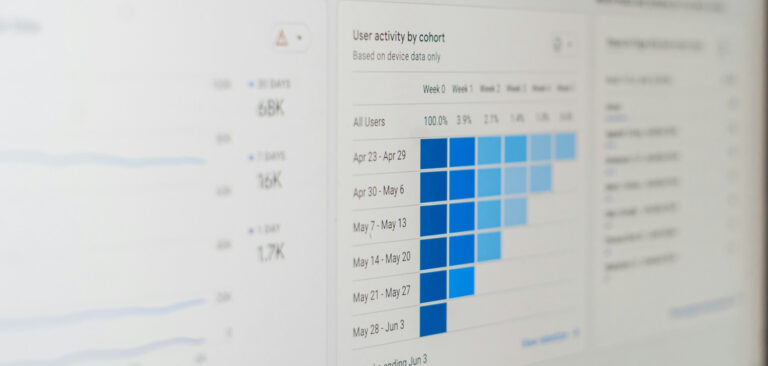
Marketing depends on accurate data. A contact form that fails or an analytics script that stops can affect campaign reports. Missing conversions make it harder to see which channels perform best. Small technical faults can lead to poor decisions.
Key Marketing Checks
A maintenance routine should also include:
- Contact and enquiry forms
- Google Analytics and tag setup
- Conversion tracking
- Landing page speed
- Email notification tests
Plugin Updates Can Affect Marketing Tools
Marketing websites use plugins for forms, popups, SEO, analytics, CRM links, and email platforms. These tools need updates to stay compatible with WordPress core. One outdated plugin can affect several marketing tasks. Campaign reports may become incomplete without a clear warning.
Routine maintenance includes update reviews and compatibility checks. WordPress Maintenance Services can help find plugin conflicts before they affect live campaigns. This reduces unexpected issues during major promotions. Marketing teams can focus more on campaign work and less on technical fixes.
Search Visibility Needs Technical Support
SEO depends Broken links, slow pages, crawl errors, and failed redirects can reduce search visibility over time. Technical problems may also affect page indexation and structured data. These issues can cut organic traffic even when content remains strong.
Maintenance helps review sitemaps, redirects, internal links, page speed, and site health. Small fixes completed early can prevent larger SEO issues later. This helps search engines reach key pages with less friction. Strong technical health supports long term search performance.
Security Protects Campaign Spend
Marketing campaigns can bring a sharp rise in traffic to a website, especially after ads, email sends, or product launches go live. More visits can place extra pressure on weak plugins, poor access rules, outdated themes, and forms that collect lead details. Malware, spam pages, or hacked forms can interrupt a campaign while visitors are still active. These problems can damage brand credibility and force the team to pause future campaign plans.
Routine security checks help reduce common risks through updates, backups, malware scans, access reviews, and removal of unused plugins. These checks can find weak points before they affect landing pages, lead forms, or campaign tracking. They also reduce preventable problems that can disrupt live work and waste paid traffic. A secure site gives each campaign a stronger base to perform as planned.
Maintenance Supports Team Focus
Marketing teams already manage content, ads, email campaigns, reports, and social channels. Technical website problems can pull attention away from those priorities. Time spent on plugin errors or broken forms can delay campaign tasks. A planned maintenance routine reduces these interruptions.
A dedicated maintenance partner also creates clearer roles. Developers can handle technical health while marketers focus on content, campaign plans, and results. Each team works where it adds the most value. That structure supports smoother campaign delivery across the year.
A marketing website is part of the campaign system. It has to load fast, capture leads, track results, stay secure, and support search visibility. WordPress maintenance keeps those parts in better shape through regular checks and fixes. For marketing teams, the right support can help protect campaign performance from preventable website faults.