AI Overviews vs Featured Snippets: What’s the Difference and Which Matters More for SEO?
AI Overviews and Featured Snippets are both prominent Google search features designed to answer user questions directly on the results page. The key difference is that Featured Snippets extract a short answer from a single webpage, while AI Overviews generate a synthesized answer using multiple sources powered by artificial intelligence. For SEO professionals and businesses, this shift changes how content is discovered, cited, and clicked.
Understanding the difference between AI Overviews vs Featured Snippets is now essential for modern SEO. As Google increasingly integrates AI-generated summaries into search results, the strategies that once helped websites win Featured Snippets must evolve to remain visible.
In this guide, we’ll break down:
What AI Overviews are
What Featured Snippets are
The key differences between them
How each affects organic traffic
How to optimize your content for both
What Are AI Overviews?
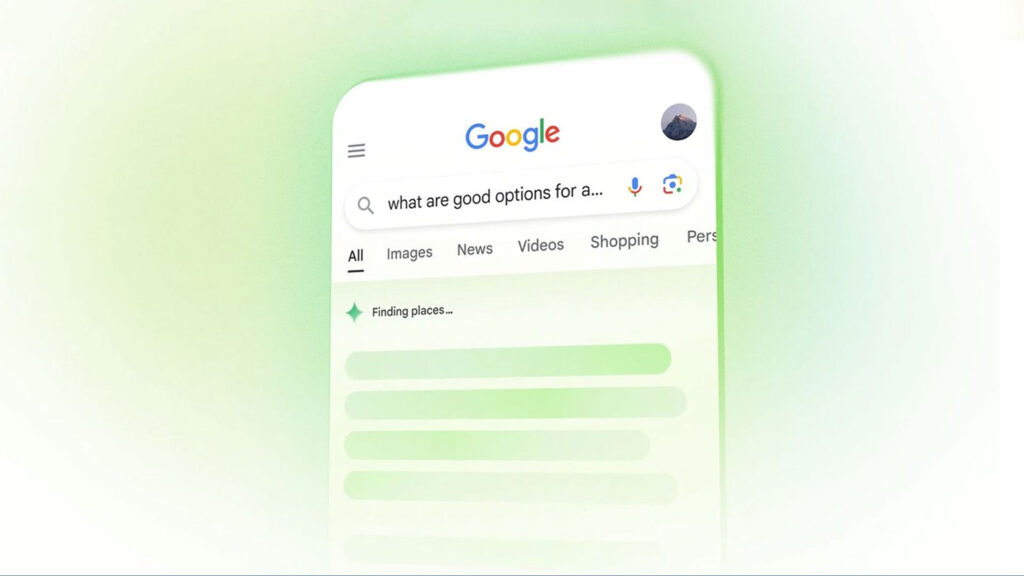
AI Overviews are AI-generated summaries that appear at the top of Google search results, providing users with a quick, synthesized answer pulled from multiple sources.
Instead of quoting a single webpage, Google’s AI analyzes multiple relevant pages and generates a concise explanation that may include citations to several websites.
AI Overviews typically appear for:
Informational queries
Complex questions
Comparison searches
Multi-step explanations
For example, if someone searches:
“How does SEO help small businesses?”
An AI Overview might generate a paragraph summarizing the benefits of SEO while citing several websites as sources.
Key Characteristics of AI Overviews
1. AI-generated answers
Unlike traditional search features, the content is generated by AI rather than extracted verbatim from one page.
2. Multiple source citations
Google may cite several websites within the overview.
3. Larger SERP presence
AI Overviews usually take up more screen space than traditional snippets.
4. Dynamic responses
The generated answer may vary depending on the query context.
This means the ranking model is evolving from “the best single answer” to “the most useful set of sources.”
What Are Featured Snippets?
Featured Snippets are highlighted search results that display a direct answer from a webpage above the normal organic listings.
They have existed for years and were originally designed to help users quickly find answers without clicking through multiple results.
Featured Snippets typically appear in several formats:
Paragraph Snippets
A short block of text answering a question.
Example query:
“What is SEO?”
Google might extract a 40–60 word definition from a webpage.
List Snippets
Ordered or unordered lists used for:
Step-by-step guides
Rankings
Processes
Example:
“Steps to start a blog”
Table Snippets
Tables showing structured data like pricing comparisons or statistics.
Video Snippets
Sometimes Google highlights a specific timestamp from a video.
AI Overviews vs Featured Snippets: Key Differences
Although both features aim to provide quick answers, they work in very different ways.
1. Source of the Answer
Featured Snippets
Pull content from one specific webpage
Display the text almost exactly as written on the page
AI Overviews
Generate answers using multiple sources
The final output is AI-generated, not copied
This means the visibility model is shifting from being the single best answer to being one of several trusted sources.
2. Content Format
Featured Snippets rely heavily on structured formatting.
Pages optimized with:
clear headings
concise answers
lists or tables
have a higher chance of being selected.
AI Overviews, however, prioritize contextual understanding. The AI system evaluates:
topical depth
entity relationships
authority signals
content clarity
This means long-form content that thoroughly explains a topic may perform better for AI citations.
3. SERP Layout
Featured Snippets typically appear as a single highlighted box at the top of search results.
AI Overviews, on the other hand, often appear as a large AI-generated module that can push traditional results further down the page.
For many queries, the layout looks like:
AI Overview
Citations within the overview
Organic search results
Other SERP features
This new layout is significantly changing click behavior.
4. Traffic Impact
Featured Snippets can increase or decrease traffic depending on the query.
Some searches become “zero-click searches”, where users get the answer without visiting the website.
However, many snippets still drive clicks because users want more context.
AI Overviews introduce a new dynamic.
Because they provide more comprehensive answers, they may reduce clicks for basic informational queries.
But they can also increase exposure for authoritative sources cited within the overview.
This creates a new SEO objective:
Be cited by the AI summary, not just ranked below it.
Why AI Overviews Are Changing SEO
The introduction of AI Overviews represents one of the biggest shifts in search since Featured Snippets launched.
Traditional SEO was based on ranking pages.
Modern AI search is based on knowledge synthesis.
Instead of asking:
“Which page ranks #1?”
Google’s AI now asks:
“Which sources best explain this topic?”
This shift rewards websites that demonstrate:
topical authority
expertise
structured knowledge
clear explanations
In other words, content depth matters more than ever.
Sites that publish shallow, keyword-focused articles may struggle to appear in AI-generated results.
Meanwhile, websites that create comprehensive topic coverage are more likely to become trusted sources.
When Google Shows AI Overviews Instead of Featured Snippets
Not every search triggers an AI Overview.
Google typically shows them for queries that require:
Multi-source explanations
Example:
“Benefits of content marketing”
Complex comparisons
Example:
“SEO vs PPC for small business”
Educational topics
Example:
“How search engines work”
Featured Snippets are still common for simple factual questions, such as:
definitions
quick calculations
single-step answers
However, as Google’s AI capabilities improve, more searches are beginning to trigger AI-generated summaries instead of traditional snippets.
Which Is More Important for SEO?
The answer is both—but for different reasons.
Featured Snippets still provide valuable visibility and can drive strong click-through rates.
However, AI Overviews represent the future direction of search.
Winning visibility in AI search requires:
authority within a topic
well-structured knowledge
clear explanations
credible references
In other words, SEO is shifting from keyword optimization to knowledge optimization.
How to Optimize for AI Overviews
Ranking inside AI Overviews requires a slightly different mindset compared to traditional SEO. Instead of focusing only on keyword placement, you need to structure your content so that search engines can easily understand, trust, and extract insights from it.
Here are the most effective strategies.
1. Build Topical Authority
AI systems prefer citing sources that demonstrate deep expertise across an entire topic, not just one article.
Instead of publishing isolated blog posts, create topic clusters that comprehensively cover a subject.
For example, if your site targets SEO topics, you might build a cluster like:
Main Topic Page
Complete Guide to SEO
Supporting Articles
On-page SEO explained
Technical SEO checklist
Link building strategies
Local SEO for small businesses
SEO tools comparison
When Google sees that your website consistently covers related topics, it becomes more likely to treat your content as a reliable source for AI-generated answers.
2. Answer Questions Clearly and Early
AI models favor content that answers questions directly and concisely.
A simple technique is to include a direct answer paragraph immediately after the heading.
For example:
What Is Technical SEO?
Technical SEO is the process of optimizing a website’s infrastructure so search engines can efficiently crawl, index, and understand its content. It includes improvements such as site speed optimization, structured data, XML sitemaps, and mobile usability.
This structure helps both Featured Snippets and AI Overviews understand the answer quickly.
3. Use Structured Headings
Search engines analyze page structure to understand the hierarchy of information.
Use clear headings such as:
H1 for the main topic
H2 for key sections
H3 for supporting explanations
Good structure improves the chances that your content will be:
quoted in Featured Snippets
cited in AI Overviews
understood by search engines
Avoid vague headings like “Things to Know.” Instead use question-based headings, such as:
What Is AI SEO?
How Do AI Overviews Work?
Why Are Featured Snippets Important?
These align with real search queries.
4. Include Lists, Tables, and Definitions
Structured formats make it easier for search engines to extract useful information.
Use:
Lists for processes
Example:
Steps to optimize a page for Featured Snippets
Identify question-based keywords
Provide concise answers
Use structured headings
Add supporting context
Optimize page authority
Tables for comparisons
Example:
| Feature | AI Overviews | Featured Snippets |
|---|---|---|
| Source | Multiple pages | Single page |
| Content type | AI-generated summary | Extracted text |
| Citation style | Multiple sources | One source |
| SEO strategy | Topical authority | Clear formatting |
These structures increase the likelihood that Google can easily extract insights.
5. Strengthen E-E-A-T Signals
Google’s ranking systems prioritize content demonstrating:
Experience
Expertise
Authoritativeness
Trustworthiness
Strong E-E-A-T signals include:
Author bios with expertise
Credible external references
Data-backed insights
Original research or analysis
AI Overviews are more likely to cite websites that appear trustworthy.
This is particularly important for industries like:
finance
health
technology
marketing
6. Write Comprehensive Content
AI-generated answers often pull insights from multiple sections across a page.
Short articles with shallow explanations are less likely to be cited.
Instead aim for comprehensive coverage that includes:
definitions
examples
comparisons
practical advice
common mistakes
FAQs
Depth signals authority.
How to Optimize for Featured Snippets
While AI Overviews are growing, Featured Snippets still appear on millions of searches.
Winning them requires a slightly different optimization approach.
1. Target Question-Based Keywords
Most Featured Snippets appear for queries like:
what is
how to
why does
when should
best way to
Use SEO tools to identify keywords already triggering snippets.
Then structure your content to answer them clearly.
2. Keep Answers Between 40–60 Words
Google often pulls snippet answers that are concise.
A good snippet-friendly paragraph usually contains:
40–60 words
a clear explanation
simple language
Example:
What Is a Featured Snippet?
A Featured Snippet is a highlighted search result displayed at the top of Google’s search results that provides a direct answer to a user’s query. The snippet is extracted from a webpage and typically includes a short paragraph, list, or table.
3. Use Ordered Lists for Processes
For “how-to” queries, Google often selects step-by-step lists.
Example:
How to create a content strategy
Define your audience
Identify search intent
Research keywords
Create topic clusters
Measure performance
Formatting like this increases snippet eligibility.
4. Optimize Existing Rankings
Most Featured Snippets are taken from pages already ranking in the top 10 results.
If your page ranks between positions 1–5, you have a strong chance of winning the snippet.
Update those pages by adding:
clear definitions
concise answer blocks
structured lists
Often small adjustments can trigger a snippet.
Can You Rank in Both AI Overviews and Featured Snippets?
Yes — and this is often the best-case scenario.
Some searches display both features simultaneously.
For example:
AI Overview at the top
Featured Snippet below it
Organic results
If your content is strong enough, it can be:
cited within the AI Overview
selected as the Featured Snippet
ranked organically on page one
This creates multiple visibility opportunities on a single search results page.
The Future of AI Overviews vs Featured Snippets
Search is rapidly evolving from link discovery to answer generation.
Featured Snippets were the first step toward instant answers.
AI Overviews represent the next stage — where search engines synthesize information instead of simply extracting it.
In the future we can expect:
more AI-generated summaries
fewer traditional snippets for complex queries
stronger emphasis on trusted sources
deeper evaluation of topical authority
However, traditional SEO fundamentals still matter.
Websites that consistently publish high-quality, well-structured, authoritative content will continue to earn visibility in both AI-powered search features and classic organic rankings.
Bottom line:
Featured Snippets reward clear formatting and concise answers, while AI Overviews reward topical authority and comprehensive knowledge.
The most successful SEO strategy today is not choosing between them — it’s optimizing your content so it can win both.
Generate Qualified SEO Leads in 2 Months
Stop waiting months for digital growth. At Marketing LTB, we combine authority-first SEO, strategic branding, and high-conversion web development to turn your online presence into a lead-generating machine. See how we guarantee SEO leads in 2 months >

About Marketing LTB
Marketing LTB is a digital growth agency built for one outcome: qualified revenue. Moving beyond traditional SEO, we utilize an Authority-First framework to generate sales-ready leads in just 60 days. No vanity metrics or slow-play content, just high-intent buyers and predictable growth for high-stakes industries. See how we guarantee SEO leads in 2 months >

About the author, Bill Nash
Bill Nash is the CMO of Marketing LTB with over a decade of experience, he has driven growth for Fortune 500 companies and startups through data-driven campaigns and advanced marketing technologies. He has written over 400 pieces of content about marketing, covering topics like marketing tips, guides, AI in advertising, advanced PPC strategies, conversion optimization, and others.